Seasonal Beekeeping Guide: Expert Tips for Spring, Summer, Fall, and Winter
Introduction
Successful beekeeping requires adapting hive care to each season. At goldenhivegears, we understand that colony health depends on timely inspections, balanced nutrition, effective pest management, and strategic preparation throughout the year.
Whether you’re a beginner managing your first hive or an experienced beekeeper overseeing multiple colonies, understanding seasonal requirements ensures strong productivity and long-term hive survival. This expert guide outlines practical, season-specific strategies designed for U.S. climates.
Spring: Colony Growth and Renewal
Spring marks the return of active hive life. Brood production accelerates, nectar sources begin emerging, and colonies expand rapidly. Your focus should be rebuilding strength after winter and preparing for honey flow.
Key Spring Tasks
Hive Inspections
Check for winter damage, mold, or excessive dead bees.
Confirm the queen is present and laying consistently.
Requeen if brood patterns are weak.
Monitor early-season diseases such as chalkbrood or nosema.
Provide 1:1 sugar syrup if nectar sources are limited.
Offer pollen patties to boost brood development.
Track early bloomers like maple, cherry, and crocus to adjust feeding schedules.
Expanding the Hive
Add brood boxes to prevent congestion.
Prepare supers ahead of nectar flow.
Balance expansion carefully to reduce swarming risk.
Swarm Prevention
Monitor for queen cells and drone brood.
Split colonies if overcrowding occurs.
Keep records of past swarming patterns.
Pest and Disease Management
Check for varroa mites and other spring threats.
Implement integrated pest management (IPM).
Use early organic treatments to reduce mite pressure before peak brood season.
Summer: Maximizing Honey Production
Summer is peak performance season. Foraging intensifies, nectar flow increases, and honey supers fill quickly. The objective is maintaining colony strength while harvesting responsibly.
Key Summer Tasks
Regular Inspections
Evaluate brood consistency and queen productivity.
Monitor for wax moths and small hive beetles.
Keep detailed hive logs for trend analysis.
Honey Harvesting
Harvest only fully capped honey (moisture under 18%).
Leave sufficient reserves for the colony.
Avoid harvesting during extreme heat conditions.
Pest and Disease Control
Address varroa, beetles, and wax moths promptly.
Rotate combs periodically to reduce disease buildup.
Reduce entrances to protect against robbing and predators.
Install mouse guards in colder regions.
Winterizing the Hive
Add insulation wraps if needed.
Maintain ventilation to prevent moisture buildup.
Provide emergency food such as fondant or candy boards
Winter: Maintenance and Monitoring
Winter requires minimal intervention but close observation.
Key Winter Tasks
Limit Hive Disturbance
Avoid unnecessary hive openings.
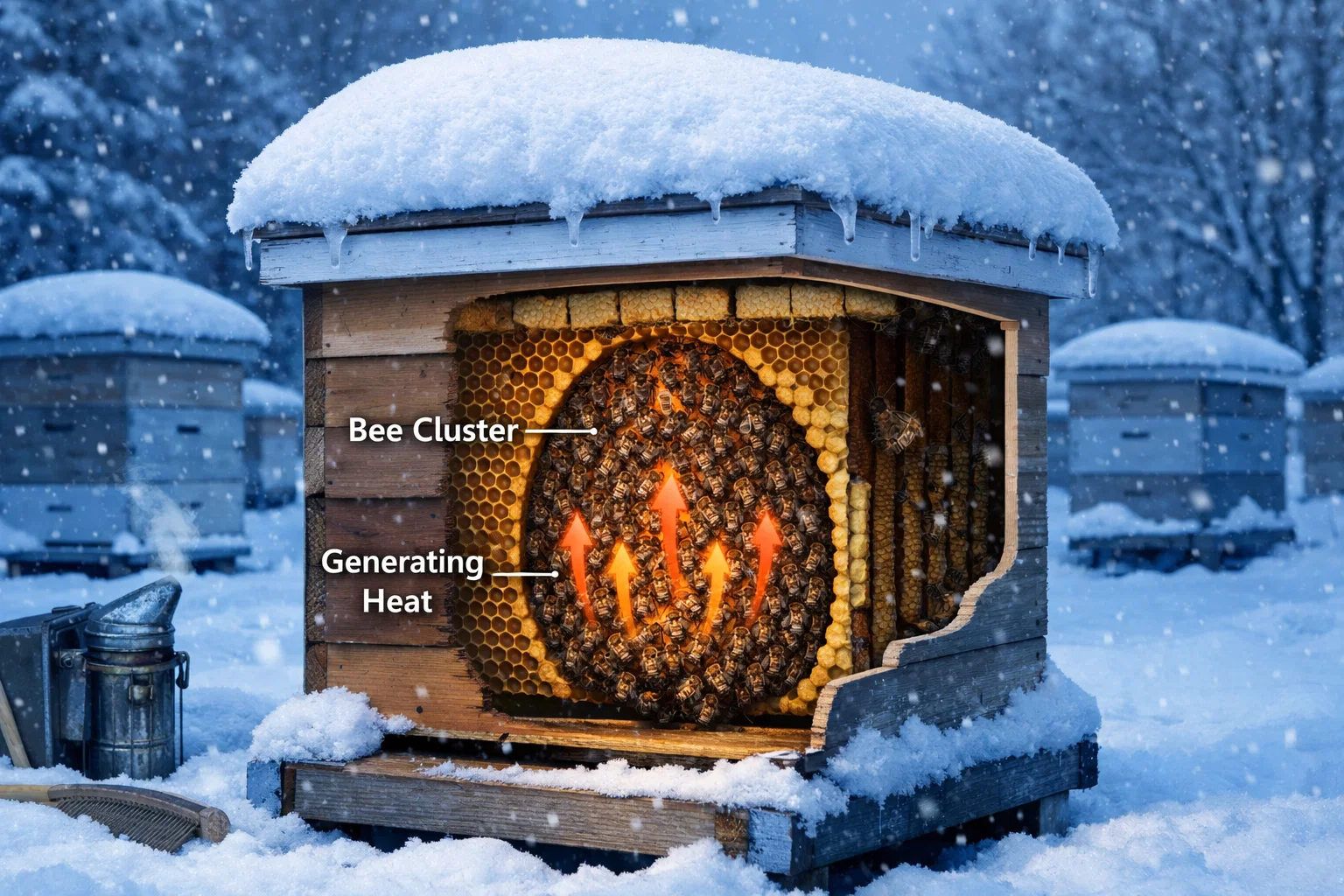
Bees cluster tightly to conserve heat.
Monitor Food Stores
Check honey reserves carefully.
Provide supplemental sugar if needed.
Moisture Control
Maintain ventilation without creating drafts.
Prevent condensation buildup inside the hive.
Weather Protection
Shield hives from strong winds and heavy snow.
Keep entrances clear.
Winter is also ideal for ordering supplies through trusted Wholesale channels if you manage multiple colonies.
Climate Adaptations for U.S. Regions
Different U.S. climates require adjusted strategies:
Northern States: Strong insulation and higher honey reserves.
Southern States: Emphasis on ventilation and summer shading.
Humid Regions: Increased small hive beetle monitoring.
Mild Winters: Focus on moisture rather than insulation thickness.
Monthly Task Calendar
Month
Focus
Key Action
March
Spring Prep
Queen check, early inspections, feed
April
Expansion
Add frames, pest monitoring
May
Swarm Control
Split hives if needed
June
Production
Add supers, ventilation
July
Harvest
Remove capped honey
August
Health
Monitor brood and mites
September
Winter Prep
Final harvest, feeding
October
Insulation
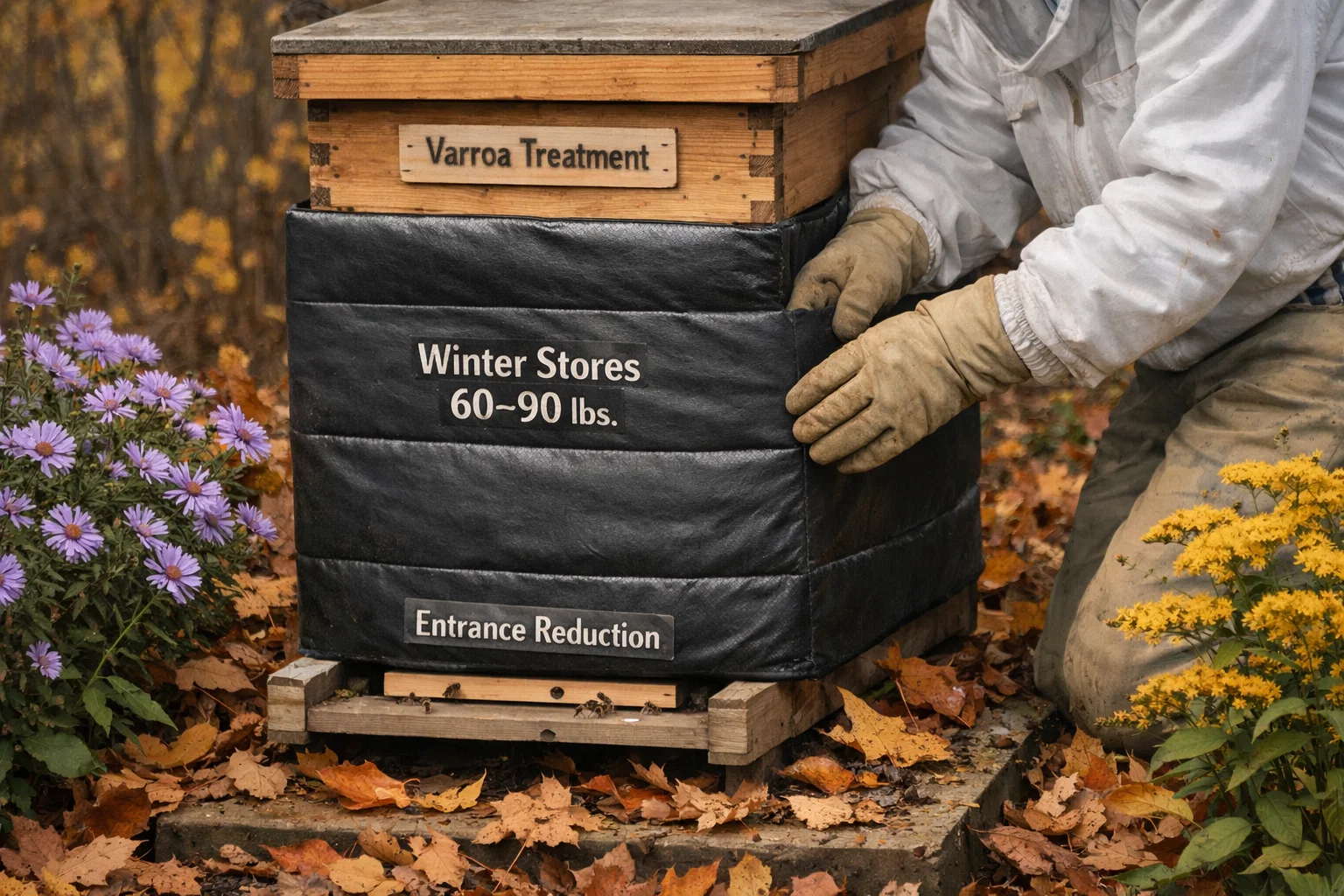
Reduce entrances
November
Monitoring
Check stores
December
Planning
Equipment prep
Troubleshooting Common Issues
Spring Starvation: Supplement early if stores run low.
Summer Absconding: Improve ventilation during extreme heat.
Fall Robbing: Reduce entrances quickly.
Winter Moisture: Install moisture boards to prevent condensation damage.
Real Beekeeper Stories
Minnesota Apiary: Early spring varroa treatment saved most colonies after a wet spring.
California Backyard Hive: Ventilated protective gear reduced beekeeper fatigue during 100°F inspections.
Pennsylvania Commercial Operation: Fall feeding schedules prevented overwintering losses.
Florida Coastal Apiary: Strategic shading improved honey yield by 25%.
Gear and Advanced Techniques
Protective Gear Recommendations
Spring: Veil and gloves for swarm season.
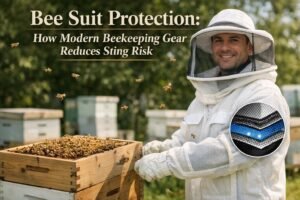
Summer: Ventilated suits for heat management.
Winter: Insulated outer layers for cold inspections.
Reliable protection allows confident hive management in all seasons.
Advanced Beekeeping Techniques
Queen Rearing for productivity.
Colony Splitting for swarm prevention.
Integrated Pest Management for long-term hive health.
For additional seasonal strategies and advanced guides, explore our educational Blogs section.
Seasonal Summary Table
Season
Focus
Core Actions
Spring
Growth
Inspect, feed, expand, prevent swarms
Summer
Production
Harvest, ventilate, manage pests
Fall
Preparation
Feed, treat mites, insulate
Winter
Survival
Monitor stores, control moisture
FAQs
What is seasonal beekeeping? Adapting hive management practices throughout the year.
When should I inspect hives? Spring and summer frequently; fall for final prep; winter minimally.
How can I prevent swarming? Add space, remove queen cells, split colonies early.
When is honey ready to harvest? When cells are fully capped and moisture is below 18%.
How much honey should I leave for winter? 60–90 pounds depending on regional climate.
Conclusion
Seasonal beekeeping is about proactive management. By adjusting inspections, feeding schedules, pest control, and hive structure throughout spring, summer, fall, and winter, you ensure healthy colonies and stable honey production.
At goldenhivegears, we support modern beekeepers with expert guidance and professional protective equipment designed for year-round performance. When preparation meets proper gear, both bees and beekeepers thrive.