Bee Suit Protection: How Modern Beekeeping Gear Reduces Sting Risk

Beekeeping is one of the most rewarding agricultural practices, but it also demands proper protective gear. Whether you’re managing a few backyard hives or running a professional apiary, your high-quality, properly fitted professional bee suit that ensures maximum safety and comfort during every hive inspection plays a critical role in both safety and comfort.
One of the biggest debates among beekeepers today is this:
Should you stick with a traditional cotton bee suit, or upgrade to a modern ventilated bee suit?
While comfort is important, the real question is deeper:
👉 Which one actually protects better?
In this detailed comparison, we’ll break down cotton vs. ventilated bee suits in terms of sting resistance, airflow, durability, mobility, long-term value, and climate-specific performance—so you can confidently choose the right option for your needs.
Traditional bee suits are typically made from thick cotton or poly-cotton fabric. They’ve been used for decades and remain popular among beginners due to affordability and availability.
Key Features:
Cotton suits rely primarily on fabric thickness. The thicker the material, the harder it is for a bee’s stinger to penetrate.
However, protection depends heavily on one critical factor:
If the fabric touches your skin, sting risk increases. Sweat-soaked cotton can cling to the body—reducing the protective barrier and making stings more likely in joints like elbows, knees, and shoulders.
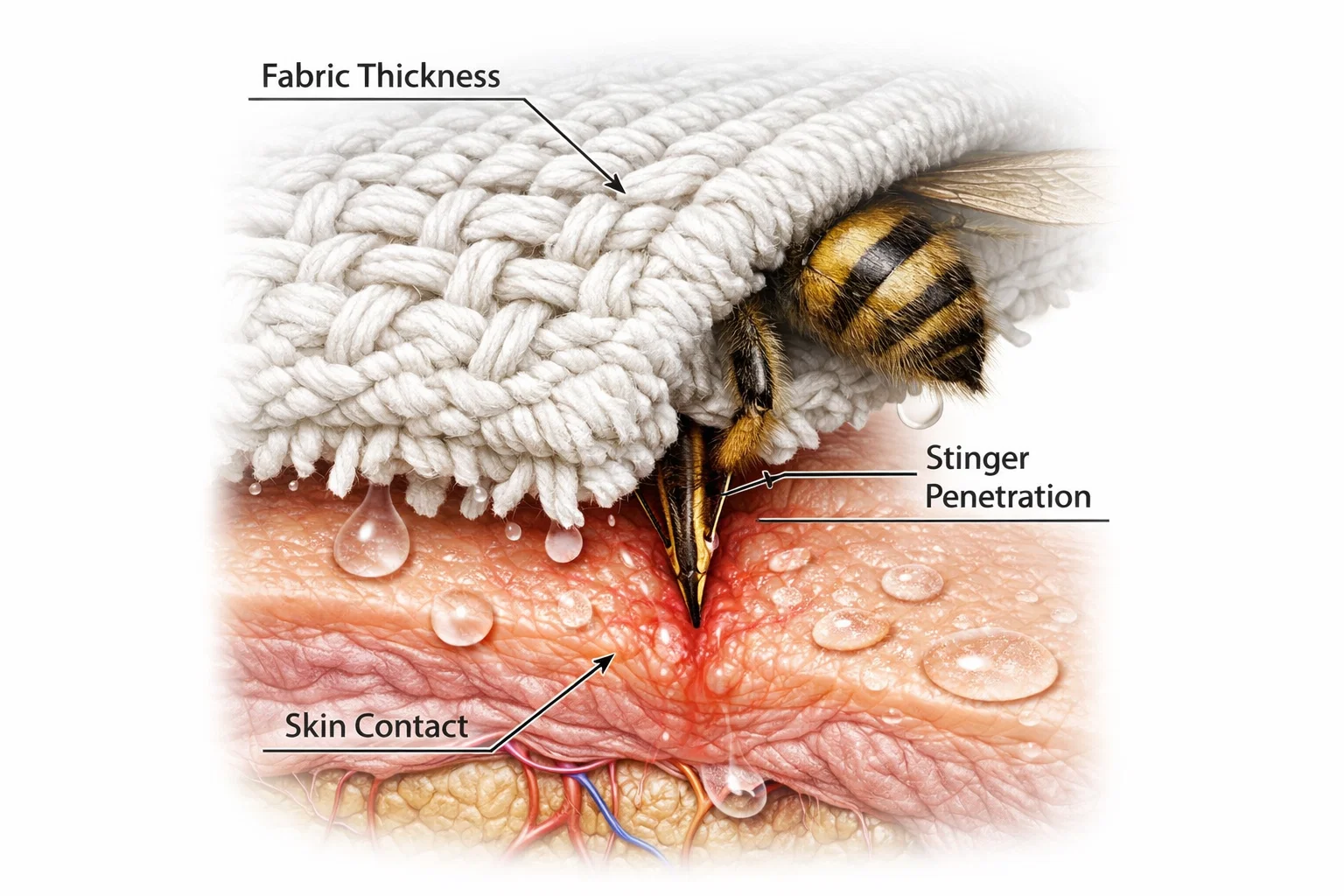
During hot, humid summer days in the US, cotton suits can fail faster, exposing beekeepers to repeated stings during inspections.
Ventilated bee suits are modern protective garments designed with triple-layer mesh construction. Instead of relying only on thickness, they use layered spacing technology to block stings. These suits are often considered the new standard in professional beekeeping.
Key Features:
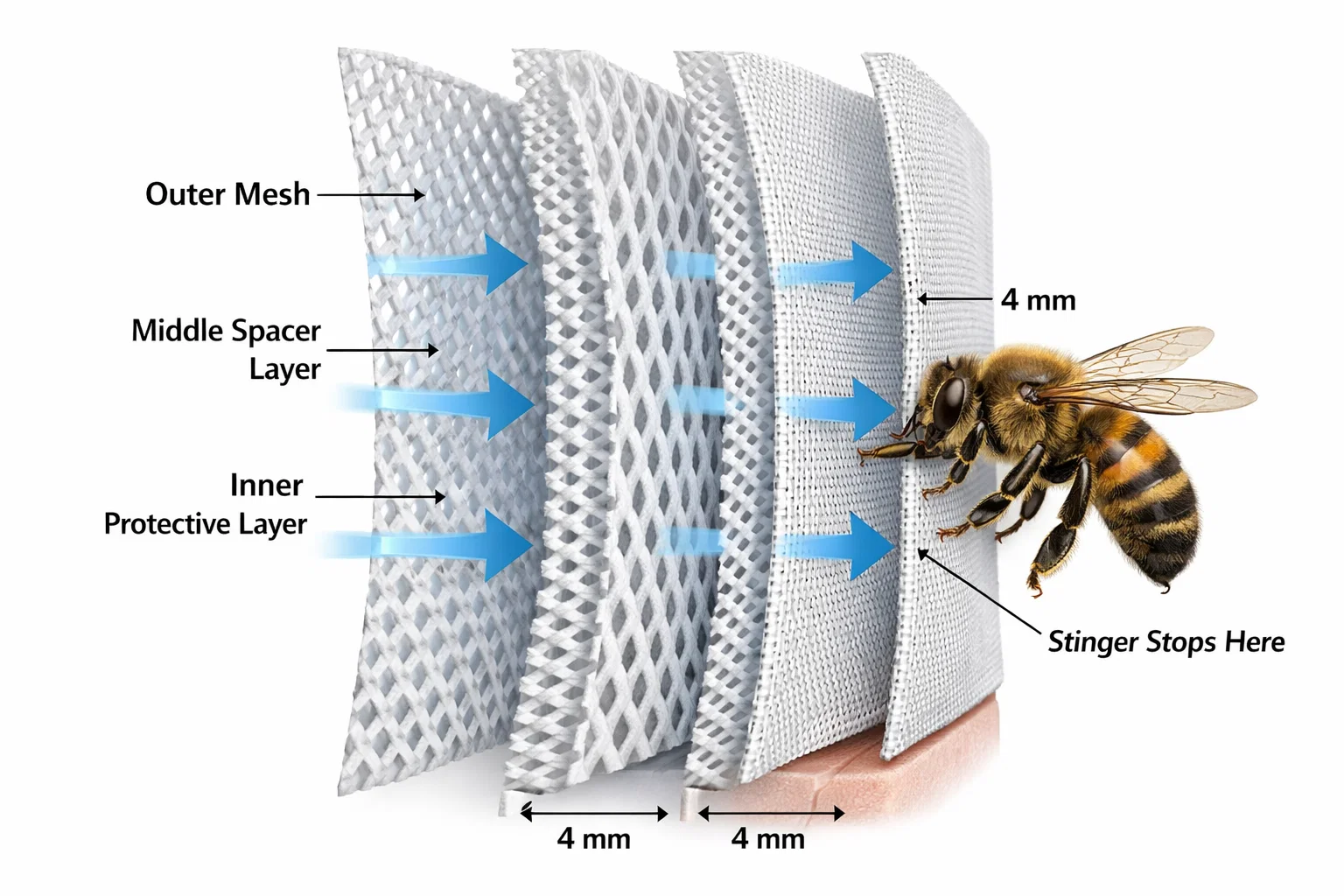
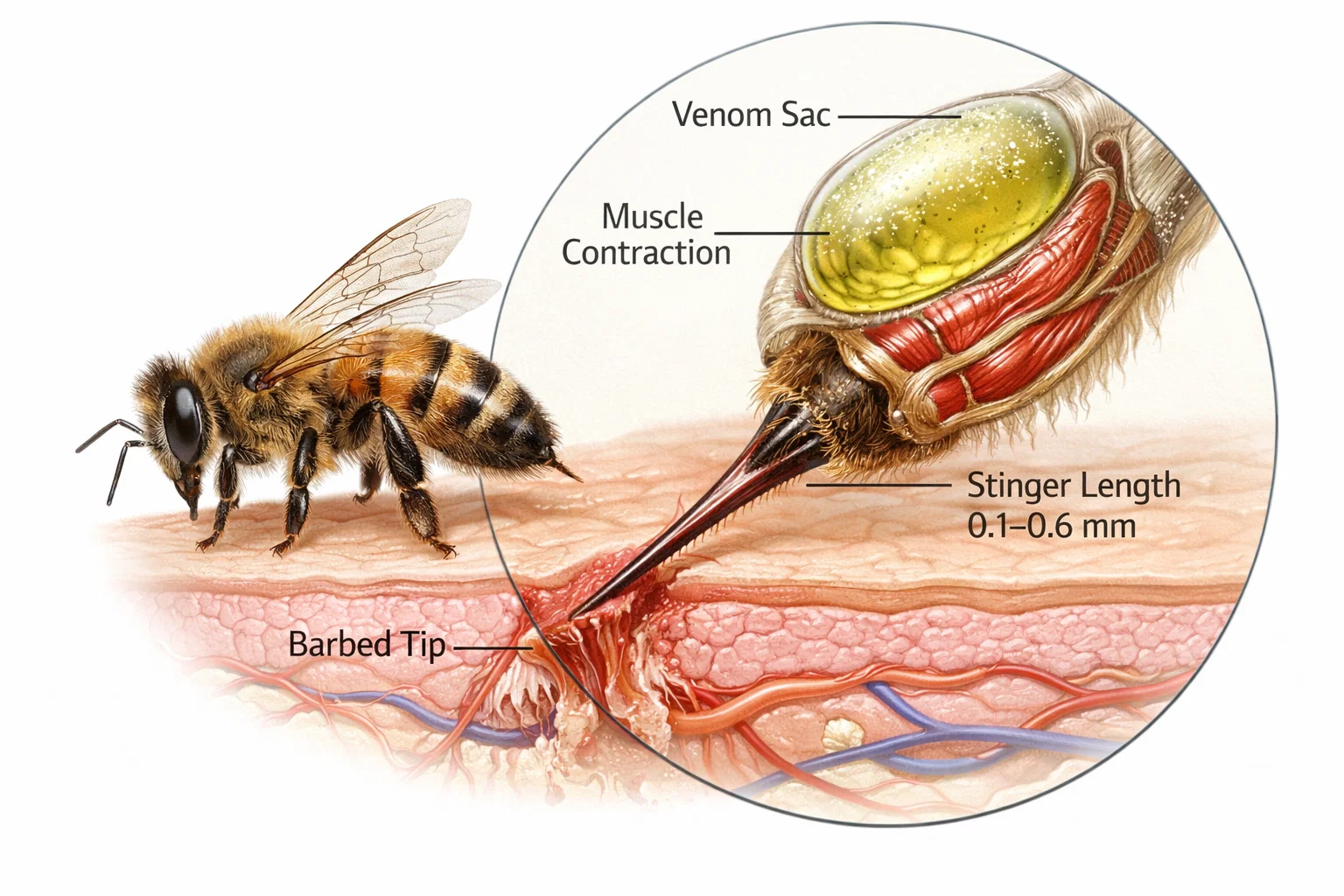
The biggest difference between cotton and ventilated suits is the air gap principle. A bee’s stinger is only a few millimeters long. In ventilated suits:
Even if a bee attempts to sting, the stinger typically cannot reach your skin because of the built-in distance between layers. This principle makes ventilated suits far superior for real-world protection, especially during aggressive hive inspections or honey harvests.
Understanding why ventilated suits outperform cotton requires a quick dive into bee anatomy:
Cotton can fail when it clings to sweaty skin, allowing barbed stingers to penetrate at joints and folds. Ventilated suits, with air gaps and spacing, prevent stinger contact even under high humidity or sweat.
Example: During a summer hive inspection in Florida, a beekeeper reported stings at the elbows while wearing a cotton suit. After switching to a ventilated suit, inspections over 50+ frames resulted in zero stings, demonstrating how mesh spacing and airflow improve protection.
Cotton suits trap body heat, causing:
Ventilated suits allow continuous airflow, helping regulate temperature naturally.
Winner: Ventilated suits
Cotton absorbs sweat, becoming heavier and sticking to the skin. Ventilated suits prevent moisture buildup with air circulation and layered mesh, keeping beekeepers dry and comfortable.
Winner: Ventilated suits
Cotton suits can feel stiff, especially when wet. Ventilated suits are:
| Feature | Cotton Bee Suit | Ventilated Bee Suit |
| Material | Single-layer cotton | Triple-layer mesh |
| Airflow | Low | High |
| Heat Retention | High | Low |
| Sting Protection | Moderate | High |
| Comfort in Summer | Limited | Excellent |
| Weight | Medium to heavy | Lightweight |
| Moisture Control | Poor | Strong airflow |
| Best For | Cooler climates | Hot climates & professionals |
| Durability | Good | Very durable |
| Price | Budget-friendly | Mid to premium |
In real-world inspections, ventilated suits provide superior sting resistance, particularly in hot weather or with defensive colonies.
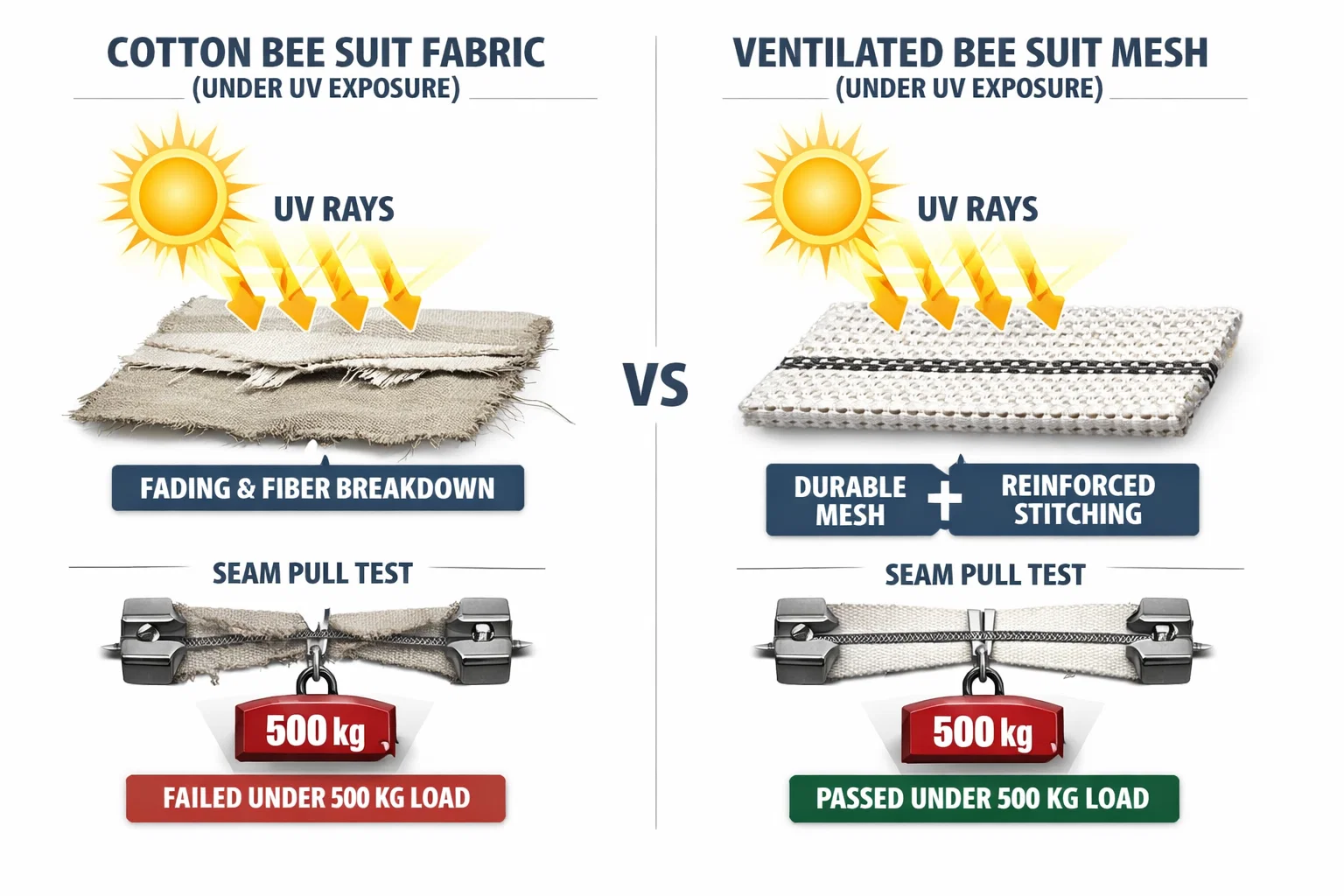
While cotton suits are cheaper initially, they wear out faster. Ventilated suits often include:
Ventilated suits are a long-term investment for serious beekeepers.
| Task | Frequency |
| Inspect mesh layers | Weekly |
| Wash suit | After heavy use or every 2–3 months |
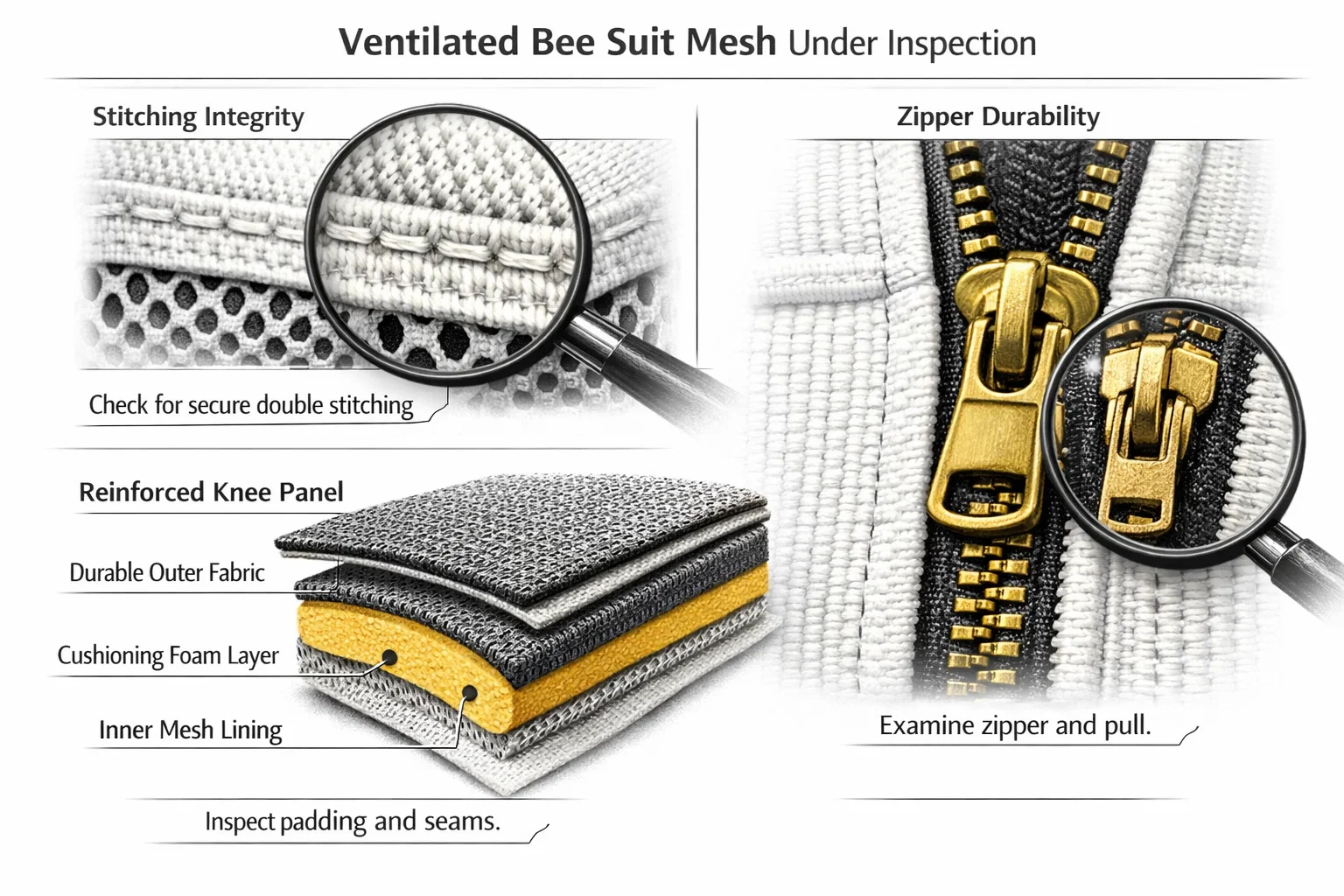
| Check zippers & seams | Monthly |
| Store in dry, shaded area | Always |
Cotton suits need similar care but are more prone to shrinkage and sweat retention.
Consider:
For serious beekeepers prioritizing safety, mobility, and performance, Golden Hive Gears ventilated bee suits offer a clear advantage.
Can kids use ventilated bee suits?
Yes, adjustable sizes are available. Ensure elastic cuffs and velcro adjustments fit snugly.
Are ventilated suits suitable for allergic individuals?
They reduce sting penetration but do not eliminate allergy risk. Always carry an EpiPen if allergic.
How long do cotton suits last?
Typically 1–2 years under moderate use; UV and sweat accelerate wear.
Can I wash ventilated suits in a washing machine?
Yes, inside-out on cold cycle. Avoid tumble drying.
Do ventilated suits prevent stings completely?
No suit is 100% sting-proof, but ventilated designs reduce stings dramatically.
Are hybrid suits available?
Yes, some combine cotton for durability and mesh for airflow. Ideal for moderate climates.
How heavy is a ventilated suit?
Typically 1.2–1.5 kg; much lighter than cotton which can reach 2–2.5 kg when wet.
Can ventilated suits withstand rough terrain inspections?
Yes, reinforced knees and double stitching make them highly durable.
Do ventilated suits work in cold climates?
They offer less insulation; layering underneath may be required for winter inspections.
Both cotton and ventilated bee suits provide protection—but they work differently:
In most real-world conditions, especially hot weather or aggressive hive management, ventilated bee suits provide superior protection, better comfort, and improved long-term value.
For occasional use in cooler climates, cotton remains a budget-friendly option. For serious beekeepers prioritizing safety, mobility, and performance, Golden Hive Gears ventilated bee suits are the clear winner.